 Dynamo
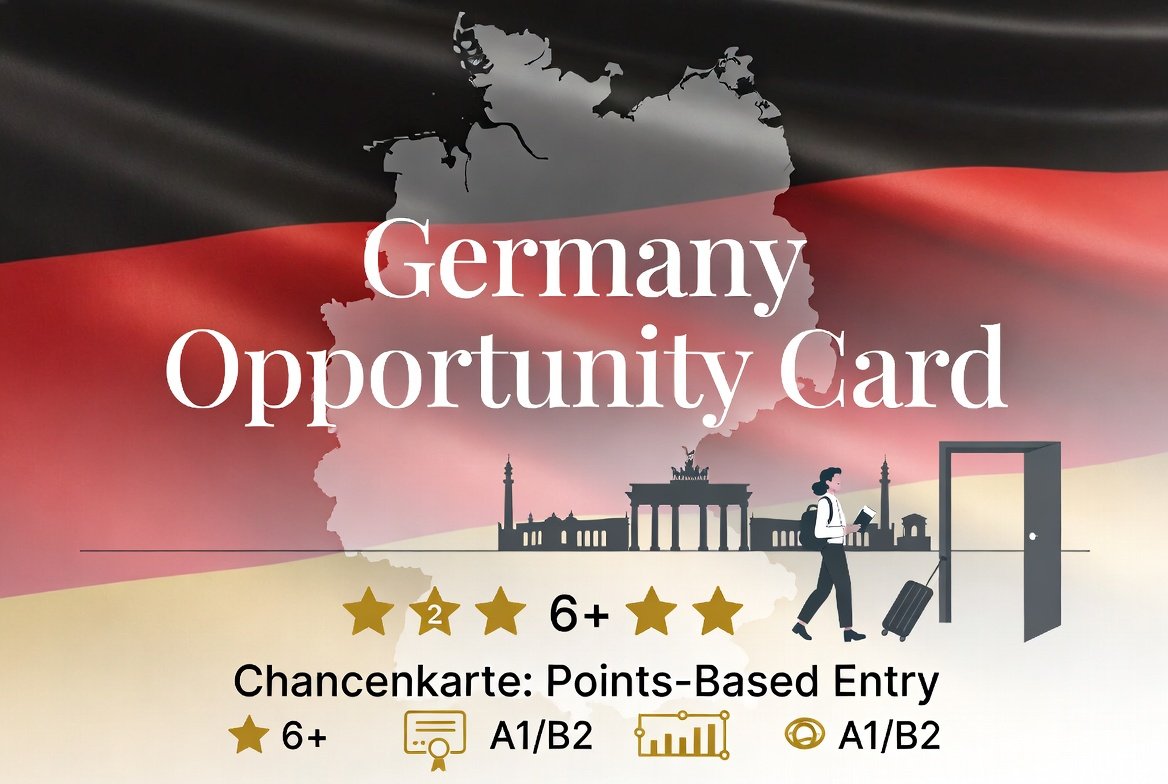
How to Apply for the Germany Chancenkarte Points-Based Visa
Germany has become one of Europe’s most attractive destinations for skilled professionals seeking rewarding careers, competitive salaries, and a high quality of life. As the country’s economy continues to grow, employers across industries are facing a shortage of qualified workers. To address this challenge, Germany introduced the Opportunity Card (Chancenkarte)—a modern, points-based immigration pathway that allows eligible skilled workers from non-EU countries to enter Germany and search for employment.
Unlike traditional work visas, which usually require applicants to secure a job offer before relocating, the Opportunity Card gives qualified individuals the flexibility to move to Germany first and look for suitable employment after arrival. This approach opens new opportunities for professionals who have the skills employers need but have not yet established contacts with German companies.
Whether you work in engineering, healthcare, information technology, finance, construction, manufacturing, hospitality, or another in-demand profession, understanding how the Chancenkarte works can significantly improve your chances of building a successful career in Germany.
In this guide, you’ll learn:
- What the Germany Opportunity Card is
- Who qualifies for the programme
- How the points-based system works
- Minimum eligibility requirements
- Language expectations
- Educational qualifications
- Professional experience requirements
- Practical tips for increasing your chances of approval
By the end of this article, you’ll have a clear understanding of whether the Germany Opportunity Card could be the right pathway for your career goals.
What Is the Germany Opportunity Card (Chancenkarte)?
The Germany Opportunity Card, known in German as the Chancenkarte, is a residence permit designed to help qualified non-European Union nationals enter Germany to search for employment.
Instead of requiring applicants to obtain a job offer before travelling, the Opportunity Card allows eligible candidates to live in Germany while actively seeking suitable employment that matches their qualifications and experience.
This immigration route was introduced as part of Germany’s broader strategy to attract skilled professionals from around the world and address labour shortages in key sectors.
Successful applicants generally receive permission to remain in Germany while searching for work, provided they continue to meet the conditions attached to the permit. Once they secure an eligible job, they may transition to an appropriate long-term residence permit or work visa, depending on their circumstances and the position they accept.
The programme is particularly valuable for skilled professionals who have struggled to secure interviews from abroad but believe they would have greater success by networking and attending interviews in Germany.
Why Germany Introduced the Opportunity Card
Germany is experiencing demographic changes that have created growing demand for qualified workers. An ageing population, declining birth rates, and increasing retirement levels have resulted in shortages across numerous industries.
Some of the sectors frequently seeking skilled workers include:
- Information Technology
- Engineering
- Healthcare
- Nursing
- Skilled Trades
- Construction
- Manufacturing
- Logistics
- Hospitality
- Education
- Renewable Energy
Rather than relying solely on applicants who already have employment offers, Germany created the Opportunity Card to attract talented professionals with valuable qualifications and work experience.
The programme also helps German employers gain access to a larger international talent pool while giving skilled workers greater flexibility during their job search.
Benefits of the Germany Opportunity Card
For many international professionals, the Chancenkarte offers advantages that traditional employment visas do not.
Some of the key benefits include:
1. No Immediate Job Offer Required
Perhaps the biggest advantage is that applicants do not necessarily need a confirmed employment contract before applying.
Instead, eligible candidates may travel to Germany and search for suitable positions after arrival, allowing them to attend interviews, meet employers in person, and better understand the local labour market.
2. Greater Access to German Employers
Being physically present in Germany often improves networking opportunities and may make applicants more competitive during recruitment.
Many employers prefer interviewing candidates who are already located in Germany, especially when hiring timelines are short.
3. Opportunity to Work While Job Hunting
Depending on the conditions attached to the permit, Opportunity Card holders may be allowed to undertake limited employment or trial work while searching for a permanent role.
This can help applicants gain valuable local experience, build professional networks, and support themselves financially.
4. Pathway Toward Long-Term Employment
Once a suitable job is secured, eligible individuals can often transition to another residence permit that allows long-term employment and continued residence in Germany.
For many professionals, the Opportunity Card serves as the first step toward building a lasting career in one of Europe’s strongest economies.
5. Increased Career Opportunities
Germany offers opportunities across numerous industries, with many employers investing in employee training, career progression, and professional development.
Professionals who possess internationally recognised qualifications may discover career paths that were previously unavailable in their home countries.
Who Can Apply for the Germany Opportunity Card?
The Opportunity Card is intended for skilled individuals who satisfy Germany’s eligibility criteria.
While exact circumstances differ between applicants, the following factors generally play an important role:
- Recognised educational qualifications
- Relevant professional experience
- Language skills
- Financial resources
- Age
- Connection to Germany (where applicable)
- Ability to meet the required points threshold if applying through the points-based route
Meeting the minimum requirements does not automatically guarantee approval. Immigration authorities assess each application individually based on the supporting documentation provided.
Germany Opportunity Card Eligibility Requirements
Understanding the eligibility requirements before applying can save both time and money.
Applicants should carefully review each requirement and ensure they can provide sufficient supporting evidence.
Educational Qualifications
Education is one of the most significant factors considered during assessment.
Applicants generally need recognised vocational training or a university degree that satisfies Germany’s qualification standards.
Depending on the applicant’s circumstances, foreign qualifications may need to be recognised or considered comparable under German regulations.
Qualifications in fields experiencing labour shortages may strengthen an applicant’s employment prospects, although many different professions are eligible.
Examples include:
- Civil Engineering
- Mechanical Engineering
- Software Development
- Information Technology
- Nursing
- Medicine
- Accounting
- Finance
- Architecture
- Skilled Trades
- Construction Management
Having official documentation readily available—including certificates, transcripts, and translations where required—can help streamline the application process.
Professional Experience
Relevant work experience is another important consideration.
Applicants with several years of recent experience in their profession may be viewed more favourably than candidates with limited practical exposure.
Professional experience demonstrates that applicants possess skills that can be transferred into the German labour market.
Useful evidence may include:
- Employment letters
- Reference letters
- Employment contracts
- Payslips
- Professional licences
- Portfolio of completed projects (where relevant)
Keeping employment records organised before applying can reduce delays during document verification.
How the Germany Opportunity Card Points System Works
One of the most talked-about aspects of the Chancenkarte is its points-based assessment system.
Rather than evaluating only a single factor, Germany considers multiple characteristics that indicate an applicant’s potential to integrate successfully into the labour market.
Points may be awarded for factors such as:
- Educational qualifications
- Relevant work experience
- German language proficiency
- English language skills
- Age
- Previous connection with Germany
- Occupation in demand
- Other qualifying criteria established under current immigration rules
The purpose of the system is to create a balanced assessment rather than focusing exclusively on academic qualifications.
Applicants who demonstrate strengths across several categories are generally better positioned than those relying on only one qualification.
Language Requirements
Language ability can significantly improve an applicant’s competitiveness.
Although some international companies operate primarily in English, German language skills often increase employment opportunities, particularly in customer-facing roles.
Applicants may receive additional consideration for demonstrating recognised language proficiency.
Commonly accepted evidence may include recognised language certificates issued by approved testing organisations.
German Language Skills
German language ability can help applicants:
- Communicate with employers
- Integrate into local communities
- Access more job opportunities
- Improve long-term career prospects
- Navigate everyday life more comfortably
Even basic conversational skills may demonstrate a commitment to integrating into German society.
English Language Skills
English remains valuable, especially within multinational companies, technology firms, research institutions, and international organisations.
Applicants who possess both German and English language skills may enjoy a competitive advantage in certain industries.
Does Age Matter?
Age can influence the points-based assessment because younger professionals often have longer potential working careers ahead of them.
However, this does not mean older professionals are excluded.
Applicants with extensive experience, valuable qualifications, specialised expertise, or strong language skills may still present highly competitive applications.
Rather than focusing on age alone, immigration authorities consider the overall profile of each applicant.
Preparing Before You Apply
A well-prepared application is often easier to process than one submitted with missing or inconsistent documentation.
Before beginning the application process, consider preparing:
- Passport
- Educational certificates
- Academic transcripts
- Professional references
- Updated CV
- Language certificates
- Employment history
- Financial evidence
- Passport photographs
- Any required certified translations
Taking time to organise these documents in advance can help minimise unnecessary delays later in the process.
Financial Requirements for the Germany Opportunity Card
Meeting the eligibility criteria is only one part of the application process. Applicants must also demonstrate that they have sufficient financial resources to support themselves while living in Germany and searching for employment.
Because the Opportunity Card is designed for individuals who may arrive without a full-time job already secured, German authorities generally require evidence that applicants can cover their everyday expenses during their stay.
Acceptable proof of financial means varies depending on an applicant’s circumstances and the rules in effect at the time of application. Common forms of evidence may include:
- A blocked account containing the required amount of funds
- A formal declaration of commitment from a qualifying sponsor in Germany (where applicable)
- Other forms of financial evidence accepted by German immigration authorities
Applicants should always verify the latest financial requirements before submitting an application, as minimum funding amounts may be updated periodically.
Why Financial Proof Matters
Providing proof of financial stability serves several purposes:
- Demonstrates that you can support yourself while searching for employment
- Reduces the likelihood of financial hardship after arrival
- Shows that your relocation plans are realistic and well prepared
- Helps immigration authorities assess whether you can meet your living expenses without relying on public assistance
Before applying, it is wise to prepare a realistic budget covering accommodation, transportation, food, health insurance, and other everyday costs.
Required Documents for the Germany Opportunity Card
Submitting a complete application can significantly reduce delays. While document requirements may differ slightly depending on your country of residence and individual circumstances, applicants are commonly asked to provide the following:
Personal Identification
- Valid passport
- Recent passport-sized photographs
- Completed visa or residence permit application form
Educational Documents
- University degree or vocational qualification
- Academic transcripts
- Professional certificates
- Qualification recognition documents, where required
Employment Records
- Updated curriculum vitae (CV)
- Employment reference letters
- Work experience certificates
- Employment contracts (if applicable)
Language Evidence
- German language certificate (if available)
- English language certificate (where relevant)
Financial Documents
- Proof of sufficient financial resources
- Evidence relating to a blocked account or another accepted method of financial support, where required
Additional Supporting Documents
Depending on your individual situation, authorities may request additional documents, such as:
- Proof of accommodation arrangements
- Health insurance documentation
- Civil status documents
- Certified translations of official records
- Any other documents needed to clarify your eligibility
Providing accurate and consistent information across all documents helps avoid unnecessary processing delays.
Step-by-Step Guide to Applying for the Germany Opportunity Card
Although application procedures can vary slightly depending on your country of residence, the overall process generally follows a similar structure.
Step 1: Confirm Your Eligibility
Begin by reviewing the official eligibility requirements.
Make sure you understand:
- Whether your educational qualification is recognised
- Whether your work experience meets the relevant expectations
- Which language qualifications may strengthen your application
- Whether you satisfy the points-based assessment, if applicable
Taking time to verify these details before applying can prevent avoidable setbacks.
Step 2: Gather Your Supporting Documents
Prepare all required documents well in advance.
Check that:
- Your passport remains valid
- Your educational documents are complete
- Required translations have been completed
- Employment references are current
- Financial evidence is available
- Language certificates are valid
Creating a digital folder with scanned copies can also make the application process more organised.
Step 3: Complete the Application
Applications should be completed carefully and accurately.
Simple errors, inconsistent dates, missing signatures, or incomplete information can result in processing delays or requests for additional documentation.
Review your application several times before submission.
Step 4: Attend Your Appointment
Applicants may be required to attend an appointment at the appropriate German diplomatic mission or visa application centre.
During the appointment, officials may:
- Verify original documents
- Collect biometric information
- Review your application
- Ask questions about your qualifications and intended job search
Answer questions honestly and provide supporting documents when requested.
Step 5: Wait for Processing
Processing times vary depending on several factors, including:
- Application volume
- Country of application
- Individual circumstances
- Whether additional documentation is requested
Applicants should avoid making irreversible travel arrangements until a final decision has been issued.
How Long Does the Germany Opportunity Card Process Take?
Processing times are not identical for every applicant.
Factors that may affect the timeline include:
- Seasonal demand
- Completeness of the application
- Verification of foreign qualifications
- Additional background checks
- Local processing capacity
Submitting complete documentation from the outset can often reduce unnecessary delays.
Application Costs
Applicants should budget for more than just the application fee.
Potential expenses may include:
- Visa application fees
- Certified translations
- Language examinations
- Qualification recognition costs
- Passport photographs
- Health insurance
- Travel expenses
- Document certification
- Courier services (where applicable)
Preparing a financial plan before applying can help avoid unexpected costs later in the process.
Can Opportunity Card Holders Work?
One of the attractive features of the Opportunity Card is that it may permit certain forms of employment while holders search for long-term work, subject to the conditions attached to the permit.
This flexibility can offer several advantages:
- Gain practical experience in Germany
- Build a professional network
- Learn more about workplace culture
- Improve language skills
- Supplement living expenses within the permit’s permitted limits
Once an eligible long-term job is secured, many applicants may be able to transition to the appropriate residence permit for employment.
Common Reasons Applications Experience Delays or Refusal
While every application is assessed individually, some issues appear more frequently than others.
1. Incomplete Documentation
Missing documents remain one of the most common reasons applications are delayed.
Always check that every required document has been included before submission.
2. Inconsistent Information
Differences between employment dates, educational records, or personal details may lead authorities to request clarification.
Ensure that all information is accurate and consistent throughout your application.
3. Insufficient Financial Evidence
Failure to demonstrate adequate financial resources can affect an application’s outcome.
Double-check that your financial documentation satisfies the current requirements before applying.
4. Unverified Qualifications
Some foreign qualifications require formal recognition or additional verification.
Applicants should determine whether this process applies to their profession before submitting an application.
5. Expired Supporting Documents
Language certificates, passports, and other official documents should remain valid throughout the application process.
Review expiry dates carefully before submission.
6. Poorly Prepared Applications
Rushing through an application often results in avoidable mistakes.
Taking extra time to organise documents, review forms, and prepare supporting evidence can improve the overall quality of your submission.
Practical Tips to Strengthen Your Application
Although no applicant can guarantee approval, there are several practical steps that may improve the quality of your application.
Improve Your German Language Skills
Even basic German proficiency can demonstrate commitment to integrating into German society and may broaden your employment opportunities.
Keep Your CV Up to Date
Your curriculum vitae should clearly present:
- Work experience
- Education
- Professional achievements
- Technical skills
- Certifications
- Language abilities
Tailoring your CV to international standards can also help when applying for jobs in Germany.
Organise Your Documents Early
Avoid waiting until the final weeks before your appointment.
Preparing your documentation well in advance allows time to replace missing records or obtain certified translations if necessary.
Research the German Job Market
Understanding which industries are experiencing labour shortages can help you focus your job search after arriving in Germany.
Review job descriptions carefully to identify the skills and qualifications employers commonly request.
Continue Developing Your Skills
Professional development does not need to stop while preparing your application.
Completing relevant certifications, online courses, or language training can strengthen both your visa application and future job prospects.
Frequently Asked Questions
Is a job offer required before applying?
One of the primary advantages of the Germany Opportunity Card is that eligible applicants may apply without first securing a full-time job offer, provided they meet the applicable eligibility requirements.
Can family members accompany Opportunity Card holders?
The rules governing family reunification depend on individual circumstances and the type of residence status involved. Applicants should review the latest official guidance before making relocation plans.
Can the Opportunity Card lead to long-term employment?
Yes. After obtaining suitable employment, eligible individuals may be able to transition to another residence permit that supports long-term work and residence in Germany, subject to applicable immigration rules.
Is speaking German mandatory?
Not always. However, German language skills can improve employability, increase opportunities across a wider range of occupations, and strengthen overall integration into German society.
Does work experience matter?
Yes. Relevant professional experience is one of the factors considered when evaluating an applicant’s qualifications and employment potential.
Finding a Job After Arriving in Germany
Receiving a Germany Opportunity Card is an important milestone, but it is only the beginning of your journey. Making the most of your time in Germany requires a proactive approach to networking, job searching, and professional development.
The German labour market values qualifications, practical experience, and reliability. Candidates who prepare thoroughly before arriving often adapt more quickly and identify suitable opportunities sooner.
Build a Strong Professional Profile
Before applying for jobs, ensure that your professional documents meet international standards.
Your CV should:
- Highlight measurable achievements rather than listing responsibilities alone.
- Include relevant technical and professional skills.
- Present your employment history in reverse chronological order.
- Clearly list educational qualifications and certifications.
- Mention language proficiency where applicable.
If your profession typically requires a portfolio—such as software development, architecture, engineering, graphic design, or digital marketing—prepare examples of your work in advance.
Tailor Every Job Application
Avoid sending the same CV and cover letter to every employer.
Instead:
- Read each job description carefully.
- Match your skills to the employer’s requirements.
- Highlight experience that is directly relevant to the role.
- Keep your application concise, accurate, and professional.
Employers appreciate applicants who demonstrate a genuine understanding of the position and the company.
Expand Your Professional Network
Networking remains an effective way to discover employment opportunities.
Consider:
- Attending industry conferences and career fairs.
- Joining professional associations.
- Participating in local networking events.
- Connecting with recruiters and professionals through reputable business networking platforms.
- Engaging with community organisations and professional groups in your field.
Building relationships can lead to valuable insights about hiring trends and unadvertised vacancies.
Tips to Improve Your Chances of Success
Although no strategy can guarantee employment, the following practices can strengthen your overall prospects.
Continue Learning German
Even if you qualify with English-language skills, improving your German proficiency can significantly expand your employment options.
Language skills can also make everyday life easier, from renting accommodation to communicating with colleagues and accessing local services.
Stay Flexible
Many professionals initially accept positions that help them gain local experience before moving into more specialised roles.
Being open to different locations, industries, or employers may increase your chances of finding suitable employment more quickly.
Research Employers Thoroughly
Before attending interviews, learn about:
- The company’s products or services.
- Its values and workplace culture.
- Current projects and recent developments.
- The specific responsibilities of the role.
Demonstrating knowledge of the employer often leaves a positive impression.
Keep Your Skills Current
Industries evolve rapidly, particularly in technology, healthcare, engineering, and finance.
Continuing your professional development through recognised courses, certifications, or workshops can help you remain competitive in the German job market.
Common Misconceptions About the Opportunity Card
Because the Chancenkarte is relatively new, several misconceptions continue to circulate online.
Myth 1: Approval Is Guaranteed if You Meet the Minimum Requirements
Meeting the eligibility criteria does not automatically result in approval. Immigration authorities assess every application individually based on the evidence provided and applicable legal requirements.
Myth 2: Every Profession Qualifies
Germany has demand across many industries, but eligibility depends on several factors, including recognised qualifications, work experience, and compliance with immigration requirements.
Myth 3: German Language Skills Are Always Mandatory
Not every role requires advanced German language skills. However, German proficiency often improves employment opportunities and day-to-day integration.
Myth 4: You Can Delay Preparing Your Documents
Many applicants underestimate the time needed to obtain official records, certified translations, qualification recognition, or language certificates. Preparing these documents early can help avoid unnecessary delays.
Frequently Asked Questions (FAQ)
What is the Germany Opportunity Card?
The Germany Opportunity Card (Chancenkarte) is a residence permit that allows eligible skilled professionals from non-EU countries to enter Germany and search for employment without first obtaining a full-time job offer, provided they meet the applicable requirements.
Who is eligible to apply?
Eligibility depends on factors such as recognised qualifications, professional experience, language skills, financial resources, and, where applicable, meeting the required points threshold.
How does the points-based system work?
The points-based assessment considers several factors, including educational qualifications, work experience, language proficiency, age, and other characteristics that support successful integration into the German labour market.
Can I work while searching for a permanent job?
The Opportunity Card may allow limited employment or trial work, depending on the conditions attached to the permit. Applicants should always review the latest official rules before making employment plans.
Is a university degree required?
Not necessarily. Depending on the applicable rules, recognised vocational qualifications may also satisfy educational requirements.
How much money do I need to show?
Applicants generally need to demonstrate sufficient financial resources to support themselves during their stay. The required amount may change over time, so it is important to verify the latest figures before applying.
How long can I stay in Germany with the Opportunity Card?
The permitted duration depends on the residence permit issued and the conditions attached to it. Applicants should consult the latest official guidance for current rules.
Can I bring my family?
Family reunification rules vary depending on individual circumstances and immigration status. Applicants should review the current regulations before making relocation plans.
What happens after I find a job?
After securing eligible employment, many Opportunity Card holders may be able to apply for a residence permit that allows long-term employment, provided they meet the relevant legal requirements.
Final Thoughts
Germany’s Opportunity Card represents a significant development in the country’s approach to skilled migration. By allowing eligible professionals to enter Germany and search for employment without first securing a job offer, the programme offers greater flexibility than many traditional work visa pathways.
Success, however, depends on careful preparation. Understanding the eligibility requirements, organising your documents, improving your language skills, and researching the German labour market can all strengthen your application and improve your employment prospects.
Because immigration policies can change, always rely on official government guidance for the most up-to-date information before submitting an application.
For skilled professionals seeking new career opportunities in one of Europe’s strongest economies, the Germany Opportunity Card may provide a practical pathway to building a long-term future.


 Dynamo