 Dynamo
A Complete Guide for Skilled Professionals Relocating with Their Families in 2026
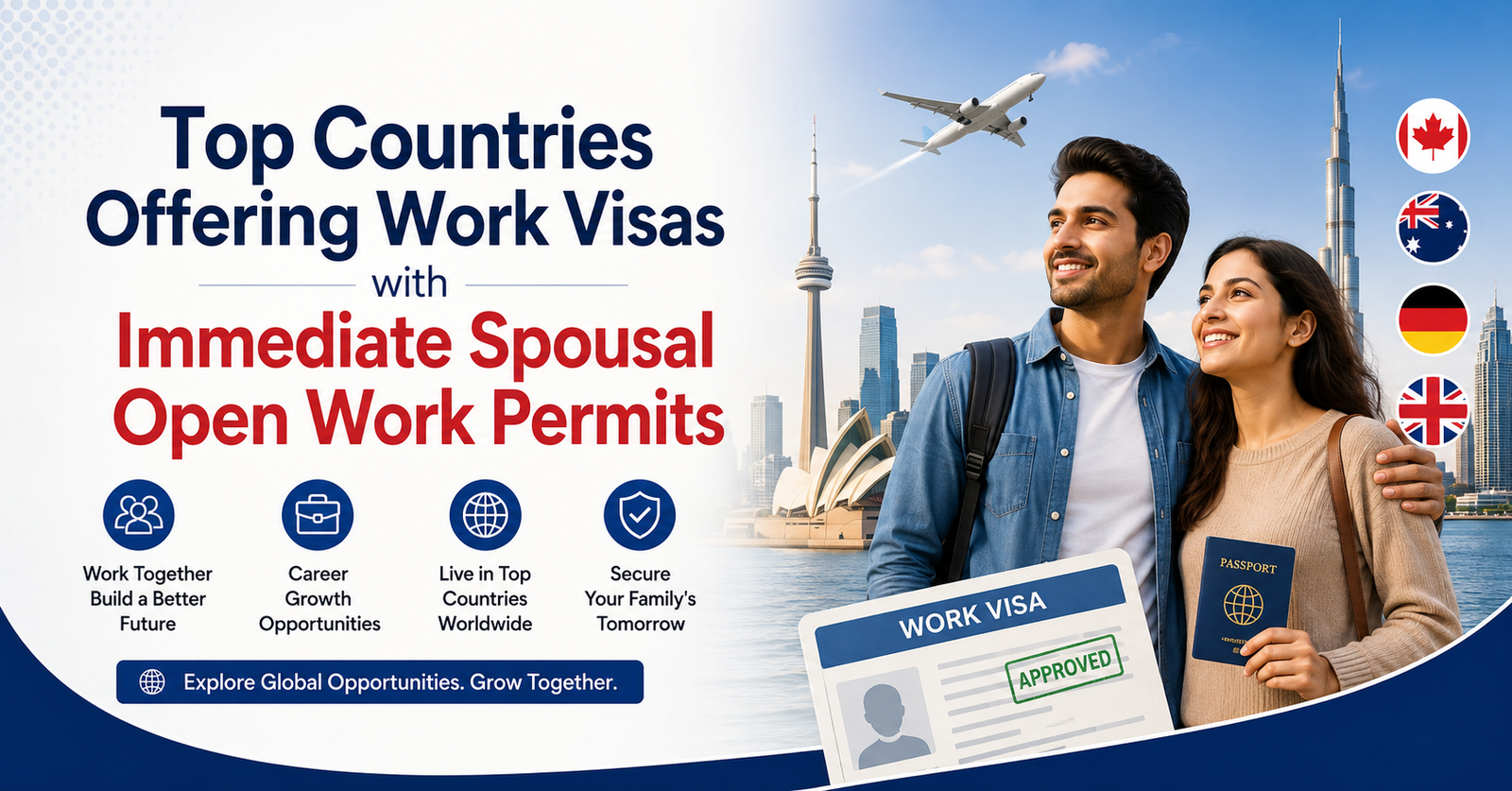
International relocation has become more than just a career decision. For many professionals, it is a family decision that involves long-term financial planning, career growth for both spouses, children’s education, and overall quality of life. As global competition for skilled talent continues to grow, several countries have introduced immigration pathways that make it easier for accompanying spouses to work legally soon after arrival.
One of the most attractive immigration benefits available today is the spousal open work permit. Unlike employer-specific work authorization, an open work permit generally allows the spouse of an eligible foreign worker to accept employment with many employers without first securing a separate job offer. This flexibility can significantly improve a family’s financial stability while helping spouses continue their own professional careers.
For professionals considering international employment, countries that offer work visas with immediate or early access to spousal work authorization often stand out as preferred destinations. The opportunity for both partners to participate in the workforce can reduce financial pressure, support faster integration into local communities, and provide greater career continuity.
This comprehensive guide explores the leading countries offering work visas that allow eligible spouses to obtain open work permits or similar unrestricted employment authorization. It also explains eligibility requirements, advantages, practical considerations, and important factors to evaluate before beginning the immigration process.
Why Spousal Open Work Permits Matter
Relocating abroad involves far more than accepting a new job offer. Families frequently consider questions such as:
- Can my spouse continue working?
- Will we rely on a single income?
- How quickly can both of us establish our careers?
- Will employers be willing to hire my spouse?
- Does the country encourage family integration?
Countries that answer these questions positively often become more attractive to highly skilled workers.
For employers, immigration programs that accommodate accompanying family members also improve recruitment and employee retention. Skilled professionals are generally more willing to relocate when their partners can pursue meaningful employment without unnecessary restrictions.
What Is a Spousal Open Work Permit?
A spousal open work permit is an employment authorization granted to the eligible spouse or partner of certain foreign workers. Instead of being tied to one employer, it generally permits employment across a wide range of organizations, subject to applicable immigration laws and occupational requirements.
Depending on the country, spouses may be able to:
- Work full-time
- Work part-time
- Change employers without applying for a new work permit
- Work in different industries
- Gain local work experience that may later support permanent residence applications
It is important to remember that immigration policies evolve regularly. Eligibility depends on the principal applicant’s visa category, occupation, salary level, and other government requirements.
Benefits of Countries That Allow Immediate Spousal Employment
Choosing a destination that supports accompanying spouses can provide several long-term advantages.
Increased Household Income
Two working adults can often achieve financial goals more quickly than relying on a single salary. Additional income may help cover housing, childcare, education, transportation, and relocation costs.
Better Career Continuity
Professionals who maintain consistent employment often find it easier to remain competitive within their industries. Long employment gaps can sometimes affect future career opportunities.
Faster Community Integration
Working locally allows spouses to build professional networks, improve language skills where necessary, and become more familiar with workplace culture.
Improved Family Satisfaction
Families often report higher satisfaction when both partners can pursue professional goals rather than placing one career on hold indefinitely.
Factors to Compare Before Choosing a Destination
While open work permit availability is important, it should not be the only consideration.
Evaluate factors including:
- Cost of living
- Average salaries
- Housing affordability
- Healthcare access
- Education opportunities
- Tax obligations
- Permanent residence pathways
- Employment demand
- Language requirements
- Quality of life
A country offering unrestricted work rights may still differ significantly in terms of wages, living expenses, and long-term immigration opportunities.
1. Canada
Few countries have built a stronger international reputation for family-friendly skilled immigration than Canada.
Canada continues to attract thousands of qualified professionals across industries including healthcare, engineering, information technology, skilled trades, finance, education, logistics, manufacturing, and construction.
Many eligible foreign workers can bring their spouses, who may qualify for an open work permit under applicable immigration rules.
Why Canada Remains a Leading Choice
Canada offers:
- Strong labor market demand
- Competitive salaries across skilled occupations
- Transparent immigration pathways
- Family-focused immigration policies
- Access to public services for eligible residents
- Multiple routes toward permanent residence
These advantages have made Canada one of the world’s most popular destinations for internationally trained professionals.
Common Work Visa Pathways
Several work permit categories may allow eligible spouses to obtain an open work permit, depending on current immigration requirements.
Examples include employer-sponsored skilled work permits and certain international mobility programs.
Eligibility depends on factors such as:
- Occupation
- Skill level
- Employment duration
- Immigration category
- Government policy at the time of application
Industries Hiring International Talent
Canada frequently recruits qualified workers in areas including:
- Healthcare
- Information technology
- Truck driving
- Construction
- Engineering
- Agriculture
- Manufacturing
- Skilled trades
- Finance
- Hospitality
Demand varies across provinces and changes over time based on labor market conditions.
Permanent Residence Opportunities
One reason many professionals choose Canada is the availability of several permanent residence pathways after gaining Canadian work experience.
Although permanent residence is never guaranteed, eligible workers may eventually qualify through programs that assess education, work experience, language ability, and other factors.
2. Australia
Australia consistently ranks among the most desirable countries for skilled migration.
Its economy relies heavily on international professionals to address labor shortages across healthcare, engineering, mining, education, technology, construction, and infrastructure.
Many employer-sponsored visa programs permit eligible family members to accompany the primary visa holder.
Why Professionals Choose Australia
Australia offers:
- High average salaries
- Strong employment protections
- Modern healthcare
- High quality of life
- Stable economy
- Excellent educational opportunities
For many families, the ability for both spouses to participate in the workforce significantly improves long-term financial security.
Employment Opportunities
Industries frequently seeking overseas professionals include:
- Nursing
- Medical professions
- Software engineering
- Civil engineering
- Mining
- Construction
- Accounting
- Education
- Skilled trades
Regional areas may also provide additional employment opportunities where labor shortages exist.
Family Benefits
Eligible accompanying spouses often receive work rights that allow them to pursue employment without being limited to a single employer, depending on the visa category.
This flexibility enables families to adapt more easily after relocation.
3. New Zealand
New Zealand has developed an immigration system that values skilled professionals while encouraging family unity.
Its welcoming communities, strong healthcare system, and excellent work-life balance continue to attract professionals from around the world.
Certain work visa categories allow eligible partners to obtain open work rights, enabling them to seek employment shortly after arrival.
Advantages of Living in New Zealand
Professionals frequently cite:
- Excellent work-life balance
- Safe communities
- Beautiful natural environment
- Modern healthcare
- High-quality education
- Stable political environment
These factors contribute to New Zealand’s appeal among families planning international relocation.
High-Demand Occupations
Employers continue recruiting skilled workers in areas such as:
- Healthcare
- Information technology
- Engineering
- Agriculture
- Construction
- Education
- Trades
- Manufacturing
Regional shortages may create additional employment opportunities depending on local economic needs.
Career Flexibility for Spouses
Eligible spouses generally benefit from broad employment flexibility under qualifying immigration pathways, allowing them to contribute to household income while building valuable local work experience.
4. United Kingdom
The United Kingdom remains one of Europe’s largest destinations for skilled international professionals.
Its diversified economy supports employment across finance, healthcare, technology, engineering, life sciences, education, and professional services.
Many eligible workers entering through skilled immigration pathways can bring dependent family members who may have the right to work under applicable immigration rules.
Why the UK Continues to Attract Skilled Workers
The UK offers several advantages, including:
- A globally recognised labour market
- Competitive salaries in many professional sectors
- Access to internationally respected universities
- Diverse multicultural cities
- Strong demand in specialised occupations
For families, the ability of an accompanying spouse to seek employment can reduce the financial impact of relocation and improve long-term settlement prospects.
High-Demand Sectors
Some of the industries that frequently recruit international professionals include:
- Healthcare and social care
- Software development
- Cybersecurity
- Financial services
- Engineering
- Education
- Construction
- Scientific research
- Hospitality and tourism
Employment demand varies by region and is influenced by labour market conditions and government policy.
5. Germany
Germany remains one of the strongest economies in Europe and continues to experience shortages of skilled workers across multiple industries. As businesses expand and an aging workforce creates additional demand, employers increasingly recruit qualified professionals from around the world.
For eligible foreign workers, Germany’s immigration framework allows accompanying spouses to obtain work authorization in many circumstances, making it an attractive destination for families planning long-term relocation.
Why Germany Stands Out
Germany offers several advantages for skilled immigrants, including:
- A stable and highly diversified economy
- Competitive salaries in technical and professional fields
- Strong employee protections
- Excellent public infrastructure
- High-quality healthcare
- Opportunities to build long-term careers
Many multinational companies operate in Germany, creating opportunities for professionals with international experience.
Industries with Strong Demand
Skilled workers are commonly recruited in:
- Engineering
- Information technology
- Healthcare
- Manufacturing
- Automotive industries
- Renewable energy
- Logistics
- Construction
- Skilled trades
Professionals with recognized qualifications and relevant experience often have access to a broad range of employment opportunities.
6. Ireland
Ireland has become one of Europe’s fastest-growing destinations for international professionals, particularly in technology, pharmaceuticals, finance, and medical research.
The country is home to numerous multinational corporations, creating strong demand for experienced professionals across a variety of sectors.
Eligible spouses accompanying certain work visa holders may receive permission to work, helping families establish themselves more quickly.
Benefits of Living in Ireland
Many professionals choose Ireland because of its:
- Growing economy
- English-speaking workplace
- Strong technology sector
- Competitive salaries
- Welcoming international workforce
- Career advancement opportunities
Its business-friendly environment continues to attract investment from global companies.
Fast-Growing Employment Sectors
Popular industries include:
- Software engineering
- Cloud computing
- Artificial intelligence
- Pharmaceuticals
- Biotechnology
- Financial services
- Healthcare
- Data analytics
7. Netherlands
The Netherlands consistently ranks among Europe’s most innovative economies. Its highly international business environment attracts professionals from across the world.
Many skilled migrants relocating under qualifying employment programs may bring spouses who are permitted to work without requiring employer sponsorship.
Why Professionals Choose the Netherlands
Advantages include:
- Strong international business presence
- Excellent public transportation
- High English proficiency
- Competitive salaries
- Excellent work-life balance
- Progressive workplace culture
The country’s strategic location also makes it attractive for professionals working with multinational organizations.
In-Demand Careers
Employers frequently recruit professionals in:
- Software development
- Data science
- Engineering
- Logistics
- Finance
- Healthcare
- Scientific research
- Renewable energy
8. Sweden
Sweden has built a reputation for innovation, sustainability, and high living standards. Skilled workers relocating under eligible work permits can often bring accompanying family members, who may receive permission to work.
Key Advantages
Professionals appreciate Sweden’s:
- Excellent work-life balance
- Modern healthcare
- Family-friendly employment policies
- High-quality education
- Strong labor protections
- Innovative economy
Many employers actively recruit international specialists in sectors experiencing talent shortages.
Growing Employment Areas
Demand frequently exists in:
- Engineering
- Healthcare
- Software development
- Telecommunications
- Manufacturing
- Environmental technology
- Research
9. Norway
Norway offers one of the world’s highest standards of living and maintains a strong demand for skilled professionals in specialized industries.
Eligible accompanying spouses may receive work authorization, allowing both partners to contribute financially after relocation.
Why Norway Appeals to Families
Benefits include:
- High average wages
- Strong social support systems
- Safe communities
- Modern infrastructure
- Excellent healthcare
- High-quality education
Although living costs can be relatively high, salaries often reflect these expenses.
Industries Recruiting International Talent
Common sectors include:
- Oil and gas
- Renewable energy
- Maritime industries
- Information technology
- Healthcare
- Construction
- Engineering
10. Finland
Finland continues attracting international professionals through policies that support innovation, education, and economic growth.
Eligible spouses accompanying skilled workers may have broad access to employment opportunities depending on the immigration category.
Advantages
Finland offers:
- High quality of life
- Excellent education system
- Safe environment
- Advanced technology sector
- Modern infrastructure
- Strong digital economy
High-Demand Occupations
Employers regularly recruit professionals in:
- Software engineering
- Healthcare
- Manufacturing
- Telecommunications
- Education
- Engineering
- Artificial intelligence
Comparing Popular Destinations
| Country | Strong Job Market | Family-Friendly | English Widely Used | Pathway to Long-Term Residence |
|---|---|---|---|---|
| Canada | Excellent | Excellent | Yes | Strong |
| Australia | Excellent | Excellent | Yes | Strong |
| New Zealand | Very Good | Excellent | Yes | Good |
| United Kingdom | Excellent | Good | Yes | Good |
| Germany | Excellent | Good | Limited in some sectors | Strong |
| Ireland | Excellent | Good | Yes | Good |
| Netherlands | Excellent | Good | Widely used | Strong |
| Sweden | Very Good | Excellent | Widely used | Strong |
| Norway | Very Good | Excellent | Widely used | Good |
| Finland | Very Good | Excellent | Increasingly common | Good |
How to Improve Your Chances of Approval
Although immigration requirements differ by country, applicants can strengthen their applications by preparing thoroughly.
Consider the following best practices:
1. Verify Eligibility
Review the official immigration requirements for the work visa category before applying. Eligibility may depend on your occupation, qualifications, salary, employer sponsorship, or other factors.
2. Keep Documents Organized
Typical documents may include:
- Valid passports
- Marriage certificate or proof of eligible partnership
- Employment contract
- Educational qualifications
- Professional licenses where applicable
- Financial documents if requested
- Medical or police certificates when required
Ensure all documents are complete, accurate, and up to date.
3. Research the Local Job Market
Accompanying spouses can benefit from researching:
- In-demand occupations
- Local salary expectations
- Professional licensing requirements
- Resume or CV formatting standards
- Networking opportunities
Preparing before relocation can shorten the job search after arrival.
4. Understand Professional Licensing
Some careers—such as medicine, nursing, law, engineering, and teaching—may require local registration or recognition of overseas qualifications before employment is permitted.
Starting this process early can reduce delays.
Common Mistakes to Avoid
Applicants often encounter delays because of avoidable errors. Common mistakes include:
- Assuming every work visa automatically provides spousal work rights
- Submitting incomplete documentation
- Overlooking document translation requirements
- Failing to meet validity requirements for passports
- Ignoring occupation-specific licensing rules
- Providing inconsistent information across application forms
- Applying under an immigration pathway that does not suit their circumstances
Careful preparation can improve the overall application experience.
Financial Planning Before Relocation
Even when both spouses expect to work, it is wise to prepare for an adjustment period after arrival.
Budget for expenses such as:
- Temporary accommodation
- Rental deposits
- Transportation
- Household essentials
- Childcare, if applicable
- Health insurance where required
- Professional certification costs
- Emergency savings
Having a financial cushion can reduce stress during the transition while one or both partners establish employment.
Tips for Finding Employment After Arrival
Once relocation is complete, accompanying spouses can improve their employment prospects by:
- Updating their résumé or CV to match local standards.
- Building a professional profile on reputable networking platforms.
- Attending industry events, career fairs, and networking meetups.
- Applying for roles that align with their qualifications and experience.
- Considering short-term contracts or temporary positions to gain local work experience.
- Continuing professional development through relevant courses or certifications.
A proactive job search, combined with a clear understanding of the local labour market, can make the transition smoother and help families settle more quickly.
Frequently Asked Questions (FAQs)
Which country is best for families relocating on a work visa?
The answer depends on your profession, career goals, preferred lifestyle, and long-term immigration plans. Countries such as Canada, Australia, New Zealand, Germany, Ireland, and the Netherlands are popular because they combine strong labour markets with immigration pathways that can allow eligible spouses to work.
Rather than focusing on a single “best” destination, compare factors such as:
- Employment opportunities in your field
- Cost of living
- Average salaries
- Healthcare
- Education
- Housing
- Permanent residence options
- Language requirements
- Family support policies
Choosing the right destination involves balancing professional opportunities with your family’s priorities.
Does every work visa include a spousal open work permit?
No. Immigration rules vary significantly between countries and visa categories.
Some work visas allow eligible spouses to receive an open work permit or unrestricted work authorization, while others may provide limited work rights or require a separate application.
Before accepting an overseas job offer, review the official immigration requirements for the specific visa category to understand what benefits are available for accompanying family members.
Can my spouse work for any employer?
In many countries, an open work permit allows eligible spouses to work for a wide range of employers without obtaining a new work permit each time they change jobs.
However, some occupations may require:
- Professional licensing
- Registration with regulatory bodies
- Security clearances
- Health-related certifications
Always verify whether your spouse’s profession has additional requirements before relocating.
Can my spouse work immediately after arriving?
In many cases, eligible spouses may begin working once they have received the necessary work authorization and completed any local administrative requirements.
The exact timeline depends on:
- The immigration program
- Processing times
- Entry procedures
- Local employment regulations
Completing documentation accurately can help minimize delays.
Which professions have the highest international demand?
Although labour market needs change over time, employers frequently recruit skilled professionals in areas such as:
- Healthcare
- Nursing
- Software development
- Cybersecurity
- Engineering
- Construction
- Skilled trades
- Manufacturing
- Logistics
- Finance
- Education
- Renewable energy
- Data science
Researching current labour shortages before applying can help you target opportunities that match your qualifications.
Can working abroad lead to permanent residence?
Some countries offer immigration pathways that may allow eligible foreign workers to apply for permanent residence after meeting specific requirements, such as:
- Maintaining valid immigration status
- Gaining qualifying work experience
- Demonstrating language proficiency where required
- Meeting income or salary thresholds
- Passing health and background checks
Eligibility criteria vary, and approval is never guaranteed. Always refer to the official immigration authority for the most up-to-date requirements.
Final Thoughts
Relocating abroad is a major life decision, especially when it involves a spouse and family. While salary and career prospects are important, the ability for both partners to participate in the workforce can have a lasting impact on financial stability, professional development, and overall quality of life.
Countries that provide eligible spouses with broad work authorization help reduce the challenges that often accompany international relocation. They allow families to establish themselves more quickly, expand their professional networks, and build a stronger foundation for long-term success.
Whether you are considering opportunities in North America, Europe, or Oceania, take the time to compare immigration pathways, employment demand, living costs, healthcare, education, and long-term settlement options. Careful planning, accurate documentation, and a clear understanding of immigration requirements can make your transition smoother and increase your confidence throughout the process.
Remember that immigration policies and eligibility rules can change. Before submitting any application or making relocation plans, consult the relevant government immigration authority to ensure you are working with the latest official information.
Key Takeaways
- Eligible spousal work authorization can make international relocation more financially sustainable.
- Canada, Australia, New Zealand, the United Kingdom, Germany, Ireland, the Netherlands, Sweden, Norway, and Finland are among the countries with immigration pathways that may permit eligible spouses to work.
- Immigration rules differ by visa type, occupation, and government policy.
- Preparing documentation early can help avoid unnecessary delays.
- Researching the labour market and licensing requirements before relocating can improve employment prospects.
- Long-term planning should include housing, healthcare, education, taxation, and potential permanent residence pathways.


 Dynamo